
祝賀白文濤同學順利通過博士論文答辯|DBA捷報
發(fā)布時間:2020-08-14 19:16
一分耕耘,一分收獲,2020年8月14日,長江商學院企業(yè)家學者項目四期班同學、深圳市分享成長投資管理有限公司執(zhí)行合伙人白文濤順利通過論文答辯。白文濤同學圍繞《中國眾籌式股權(quán)投資平臺的風險控制體系構(gòu)建——基于股權(quán)眾籌與傳統(tǒng)風險投資差異的比較研究》進行了深入地分析,研究成果豐碩,并在答辯現(xiàn)場嚴謹?shù)鼗卮鹆藢焸兊膯栴}。恭喜白文濤同學順利通過答辯!現(xiàn)在就讓我們一同回顧答辯時的精彩瞬間。

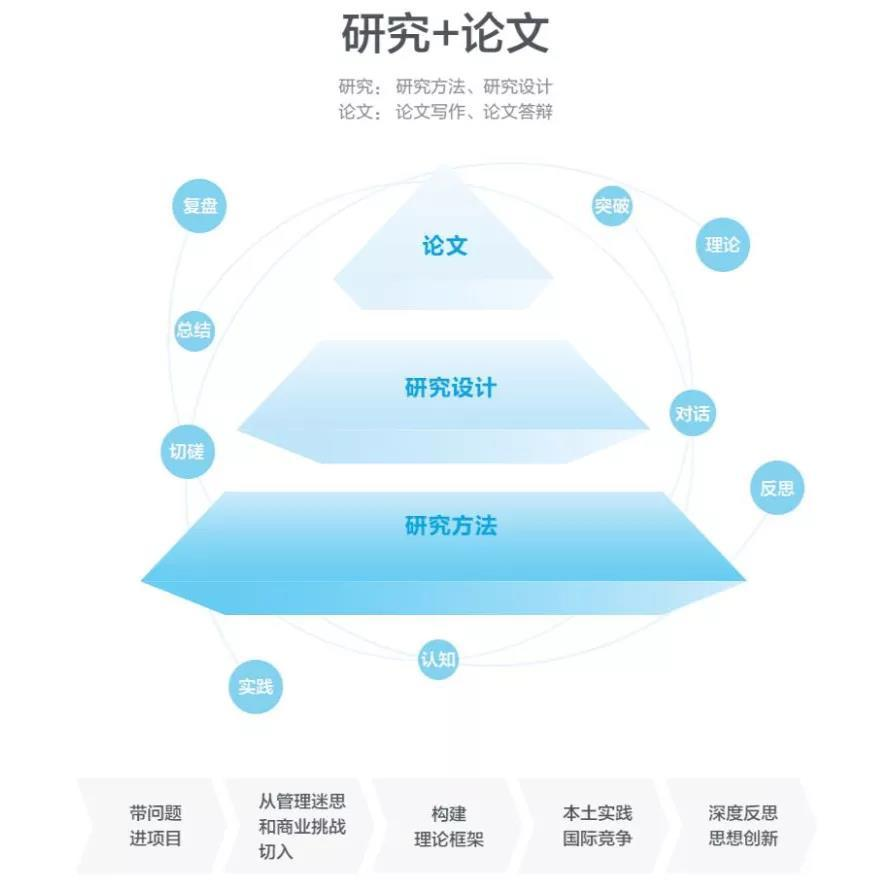
企業(yè)家學者項目以成就新商業(yè)文明思想者和引領(lǐng)者為愿景,打造極具前沿性和系統(tǒng)性課程,以框架模塊、聚焦模塊、專題研究+實踐課堂等三大核心為課程主軸,整合全球優(yōu)質(zhì)教育資源。課程涵蓋2大金融主題與4大微觀主題,探索6大宏觀方向,定制化行業(yè)專題,走訪行業(yè)內(nèi)領(lǐng)軍企業(yè),旨在幫助同學們實現(xiàn)“理解 - 判斷 - 實踐 - 引領(lǐng)”的跨越式發(fā)展與提升,成為新商業(yè)文明的先行者。白文濤同學經(jīng)過完整的體系化學習與研究,邁進了探索真知的新格局和新高度。

本次論文答辯,來自長江商學院和新加坡管理大學(SMU)的教授們共同見證了白文濤同學的學術(shù)成果。



白文濤同學答辯中
▇ 論文摘要:
股權(quán)眾籌是一種通過互聯(lián)網(wǎng)技術(shù)實現(xiàn)的公開小額股權(quán)融資活動,是區(qū)別于傳統(tǒng)風險投資的一種新型股權(quán)融資方式,極大地解決了中產(chǎn)階級股權(quán)投資難和中小創(chuàng)企業(yè)融資難獲客難的兩大問題,有利于多層次資本市場的建設(shè)和金融體系的健康發(fā)展。由于股權(quán)眾籌的諸多優(yōu)勢,近年來全球股權(quán)眾籌市場發(fā)展迅速。遺憾的是,中國關(guān)于股權(quán)眾籌的正式立法遲遲沒有出臺,各個平臺只能以一種眾籌式股權(quán)投資平臺的形式存在,并且絕大多數(shù)平臺一直在野蠻發(fā)展,完全沒有建立起有效的風險控制體系,風險項目頻發(fā),投資人損失巨大。本文提出的風險控制體系構(gòu)建針對的就是因非系統(tǒng)性風險導致的股權(quán)眾籌投資者面臨投資損失的風險。風險控制體系構(gòu)建既包括項目風險層面上狹義的風險控制,也包括平臺整體業(yè)務(wù)流程中各個方面的風險控制。
本文首先回顧股權(quán)眾籌研究領(lǐng)域的文獻和監(jiān)管實踐。學者們針對股權(quán)眾籌主要從參與各方的行為動機、影響融資成功的因素、風險和應(yīng)對風險的對策四個角度進行了研究。在風險應(yīng)對方面,絕大多數(shù)學者將降低股權(quán)眾籌風險的方式寄希望于從國家層面完善相關(guān)的法律法規(guī)并由國家相關(guān)部門強化監(jiān)管。各國的監(jiān)管實踐都體現(xiàn)了股權(quán)眾籌背景下促進資本形成、提高融資效率和投資者保護平衡的考量。總的來看,一是通過投資者適當性和投資者投資限額來保護投資者;二是通過股權(quán)眾籌平臺發(fā)揮信譽中介防范風險的作用來保護投資者。
之后,重點分析了中國股權(quán)眾籌風險成因,包括融資方特性及投資風險、投資方特性及投資風險、信息不對稱、委托代理沖突、平臺過于追逐短期利益等。
針對中國股權(quán)眾籌風險的成因,在比較股權(quán)眾籌和傳統(tǒng)風險投資的異同的基礎(chǔ)上,提出了中國眾籌式股權(quán)投資平臺風險控制體系設(shè)計的具體措施,和平臺整體風險控制體系的構(gòu)建。并對風險控制體系設(shè)計中提出的項目風險評估及分級和投資者管理中的風險偏好及承受能力評估進行了更為深入的分析。在項目風險評估及分級方面,本文提出了使用AHP層次分析法和模糊綜合評價法相結(jié)合、定性定量相結(jié)合的方法,使項目風險評估及分級更為準確科學。在風險偏好及承受能力評估方面,通過調(diào)查問卷了解投資者的情況,并使用最優(yōu)尺度對問卷數(shù)據(jù)進行回歸,并發(fā)現(xiàn)年齡、教育程度、家庭可支配年收入與投資者的風險偏好及承受能力顯著相關(guān),而且年齡和家庭可支配年收入的重要性更高。
隨后,又以國內(nèi)平臺真實的投資案例對風險控制體系進行案例分析,并發(fā)現(xiàn)本文所提出的風險控制措施更好地提示了項目的風險,更有利對項目進行定位和決策,能夠更好地保護投資者的利益。
最后,在對全文進行總結(jié)的基礎(chǔ)上,提出了對未來研究的展望,希望通過持續(xù)不斷的跟蹤調(diào)查,更好地驗證風險控制體系的有效性。
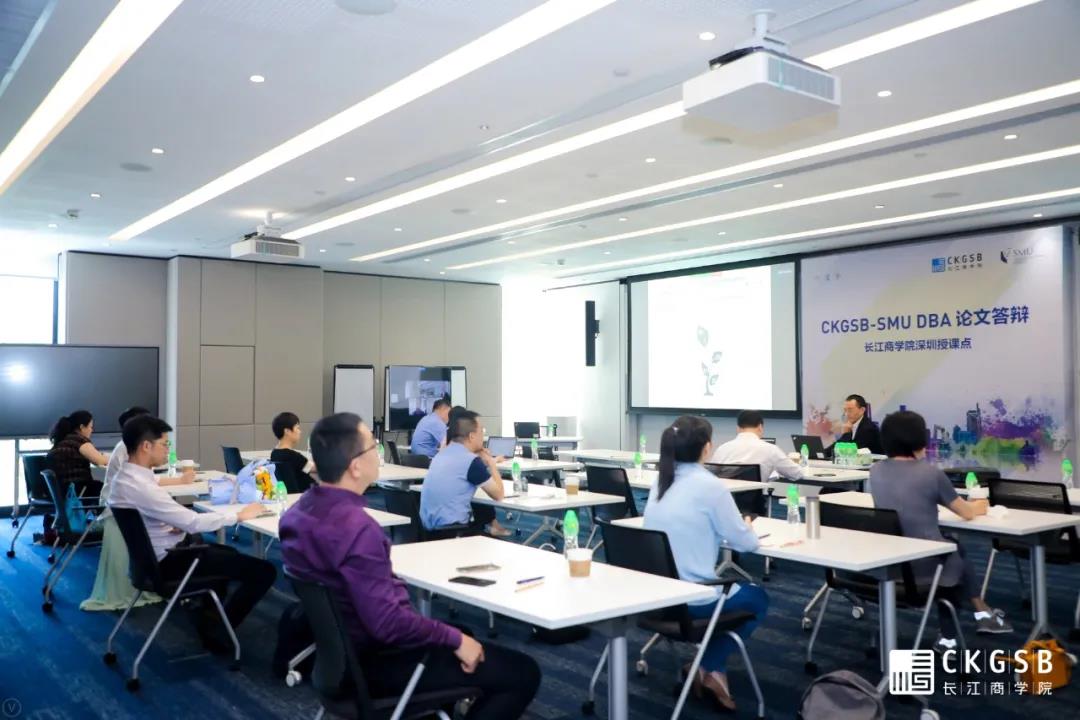
答辯現(xiàn)場
▇ Abstract:
Equity crowdfunding is a new type of public financing activity realized by Internet technology with small single investments funds, which is different from traditional venture capital. It greatly solves the equity investment problem of middle-class people and the difficulties of small and medium-sized enterprises and start-ups in financing and customers obtaining. It is also conducive to the construction of multi-level capital market, and the healthy development of national financial system. Due to the advantages of equity crowdfunding, the global equity crowdfunding market has developed rapidly in recent years. Unfortunately, China's formal legislation on equity crowdfunding has not been introduced yet. Each platform can only exist in the form of a crowdfunding-alike equity investment platform, and most of them have been developing savagely with no effective risk control system established at all. Investment failure occurs frequently and investors suffer huge losses. The risk control system in this paper targets at the investment loss risk faced by equity crowdfunding investors due to non-systemic causes. The construction of the risk control system proposed here include not only the narrow-scale risk control at the project level, but also the various aspects of the overall business process of the platform.
This paper first reviews the literature and regulatory practices in the field of equity crowdfunding. Scholars have conducted researches on equity crowdfunding mainly from the perspectives of the participating parties’ behavior motivation, factors affecting the success of financing, risks of equity crowdfunding and countermeasures to deal with the risks. In terms of risk countermeasures, most scholars hope to reduce the risks by improving relevant laws and regulations at the national level and strengthening supervision by relevant national departments. At present, global regulatory practices of equity crowdfunding reflect the considerations of promoting capital formation, improving financing efficiency and balancing investor protection. In general, one way is to protect investors through the investor appropriateness and the investment limit; the second way is to ensure equity crowdfunding platforms to play the role of credit intermediaries to prevent risks.

白文濤同學在企業(yè)家學者項目
After that, this paper focuses on the analysis of causes of equity crowdfunding risks in China, which include the characteristics of the financing parties, the characteristics of investor, information asymmetry, principal-agent conflicts, and the platforms’ excessive pursuit of short-term interests.
In view of the causes of equity crowdfunding risks, based on the comparison of the similarities and differences between equity crowdfunding and traditional venture capital, specific measures and the overall construction of risk control system of China’s platforms are proposed. Then, the project risk assessment and classification and the investor risk preference and tolerance evaluation, which are put forward in the risk control system, are analyzed in depth. In terms of project risk assessment and classification, this paper proposes the method of combining Analytic Hierarchy Process and fuzzy comprehensive evaluation, combining qualitative and quantitative methods to make the assessment process more accurate and scientific. In terms of investor risk preference and tolerance evaluation, a questionnaire is used to better understand investors, and the optimal scale method is used to regress the questionnaire data. It is found that age, education level, family disposable annual income are significantly related to investors' risk preference and tolerance, among which age and family disposable annual income are more important.
Subsequently, a case study of the risk control system is conducted with real investment cases on one domestic platform. It is found that the risk control measures proposed in this paper better reveal the project risks, and are more advantageous for making judgment regarding the project and protecting the interest of investors.
Finally, on the basis of summary, the prospect of future research is proposed, hoping to better verify the effectiveness of the risk control system through continuous follow-up research and investigation.

合影
論文答辯雖然結(jié)束,但對于白文濤同學以及他的管理學研究而言,這只是一個新的起點。未來,白文濤同學將帶著自己在企業(yè)家學者項目的所學所得,繼續(xù)投身于管理學思考與工作實踐。我們也期待他在未來的企業(yè)管理中,繼續(xù)為新商業(yè)文明發(fā)展助力!


