
捷報 | 首場論文答辯圓滿結束
發布時間:2019-04-12 00:00

六年磨一劍,2019年4月12日,長江商學院企業家學者項目首二班池宇峰同學和三期班雷文勇同學,率先在北京校區完成了博士論文最終答辯。兩位同學分別就創意企業中共享式領導與團隊創新關系、基于社會網絡分析的極度貧困治理兩個主題進行了闡述與分享,現場接受了導師委員會及觀摩同學的提問并給出了精彩回答,最終順利通過答辯。恭喜池宇峰、雷文勇同學!現在就讓我們一同回顧這一意義深遠的時刻。
從入學以來,兩位同學在企業家學者項目歷經了新商業文明的洗禮,一步步蛻變,成為更強的引領者。專題研究+實踐課堂的互學共創形式,助燃了他們探索真知的熱情。
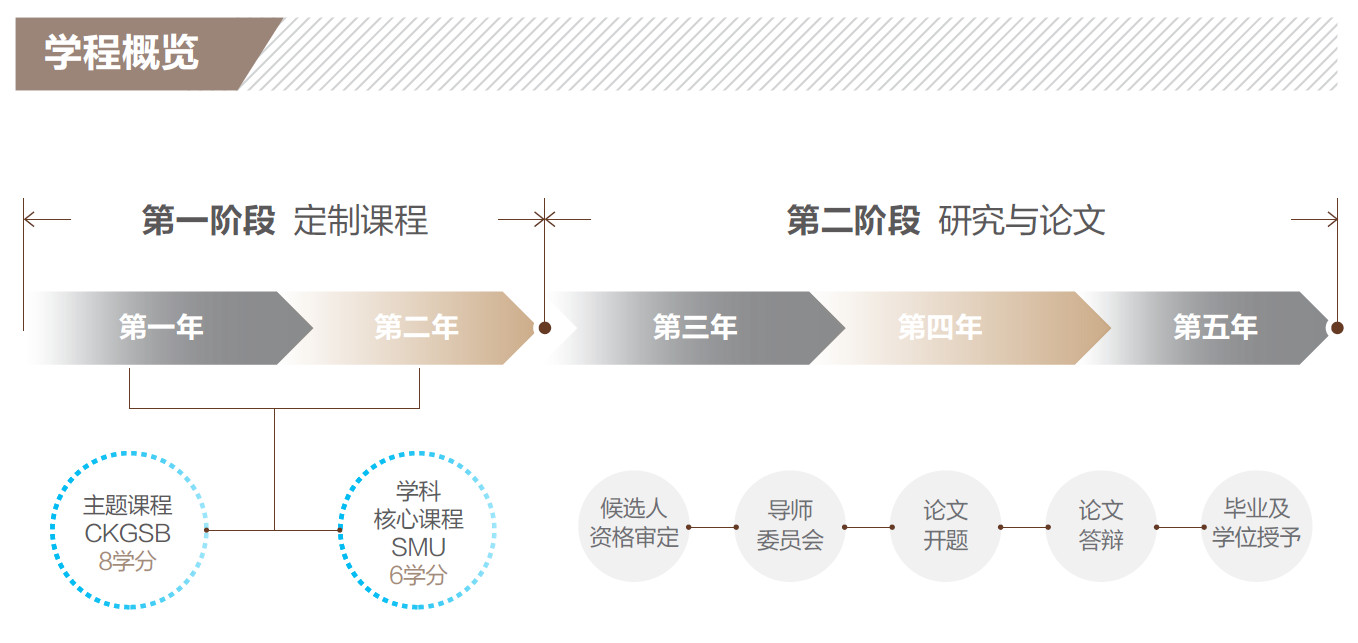
他們追求前瞻知識的足跡踏遍東西南北,歷經“定制課程”、“研究與論文”兩個階段五年的時間,學知的喜悅與汗水交織,而今奮斗終有結果。經歷“自我論文簡述”、“導師提問”、“導師委員會內部討論答辯結果”、“導師團反饋答辯結果以及修改意見”四個環節,他們用擲地有聲的觀點和獨特的商業洞見讓導師委員會心悅誠服。
學術的見證者
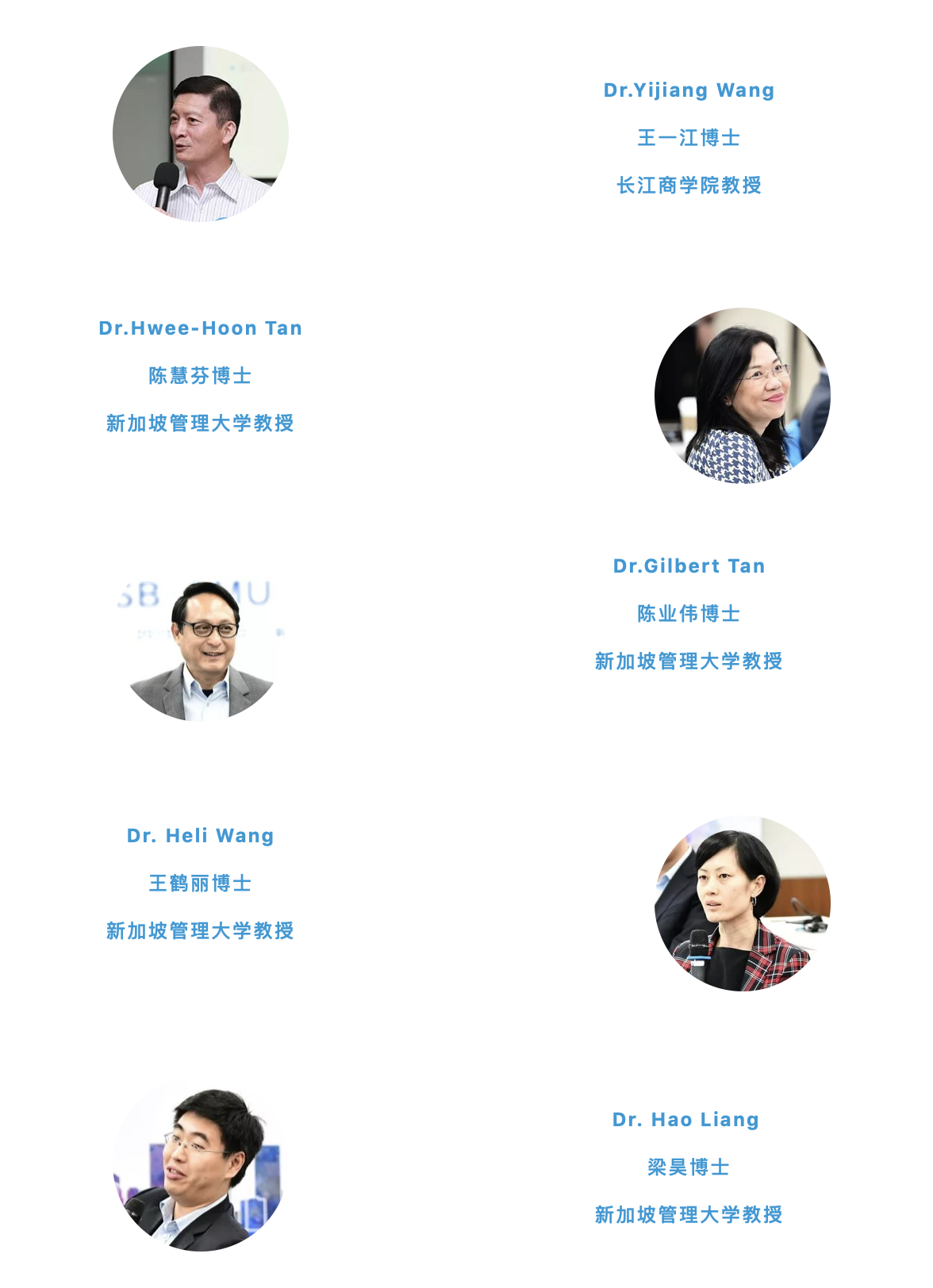
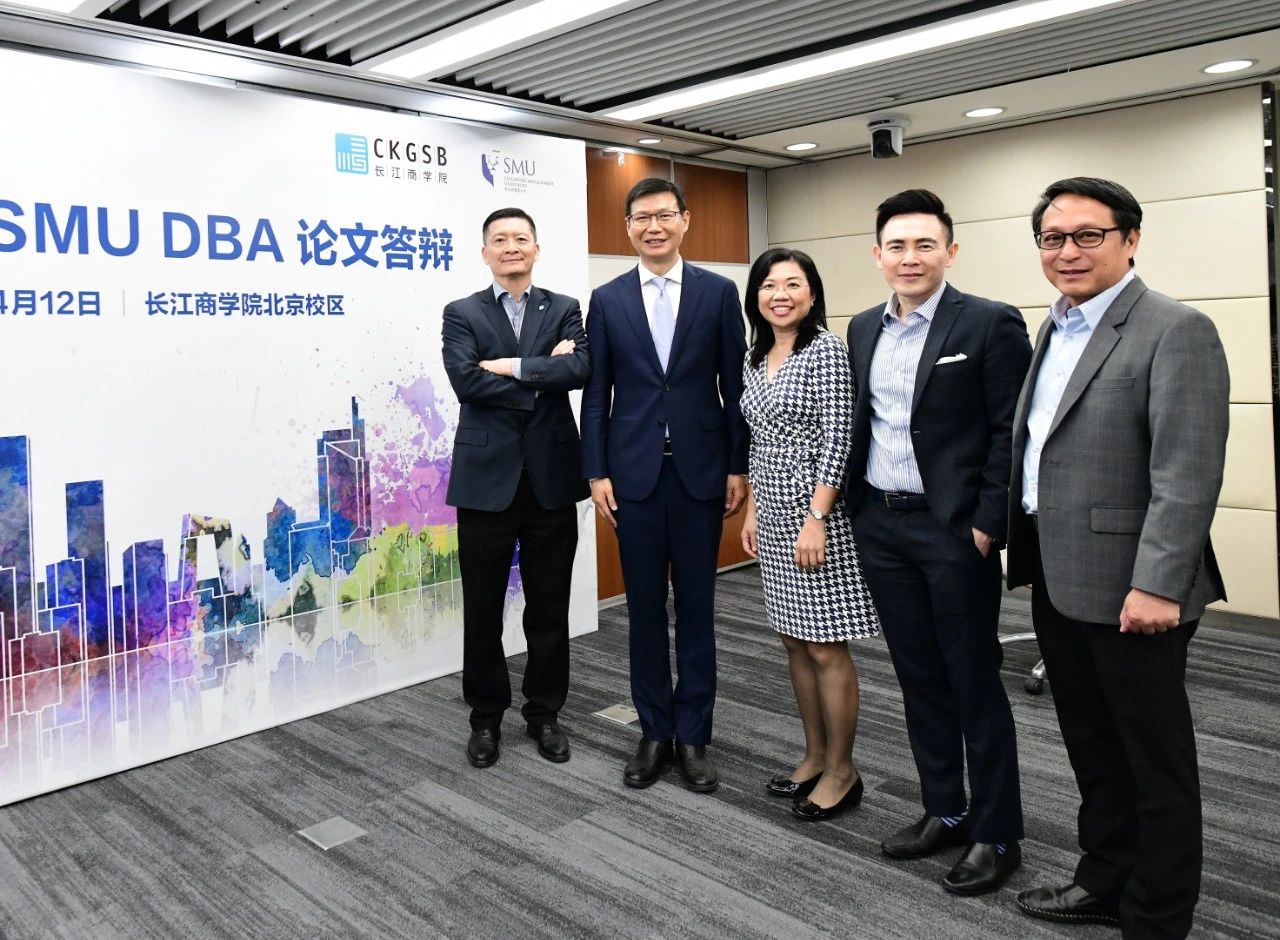
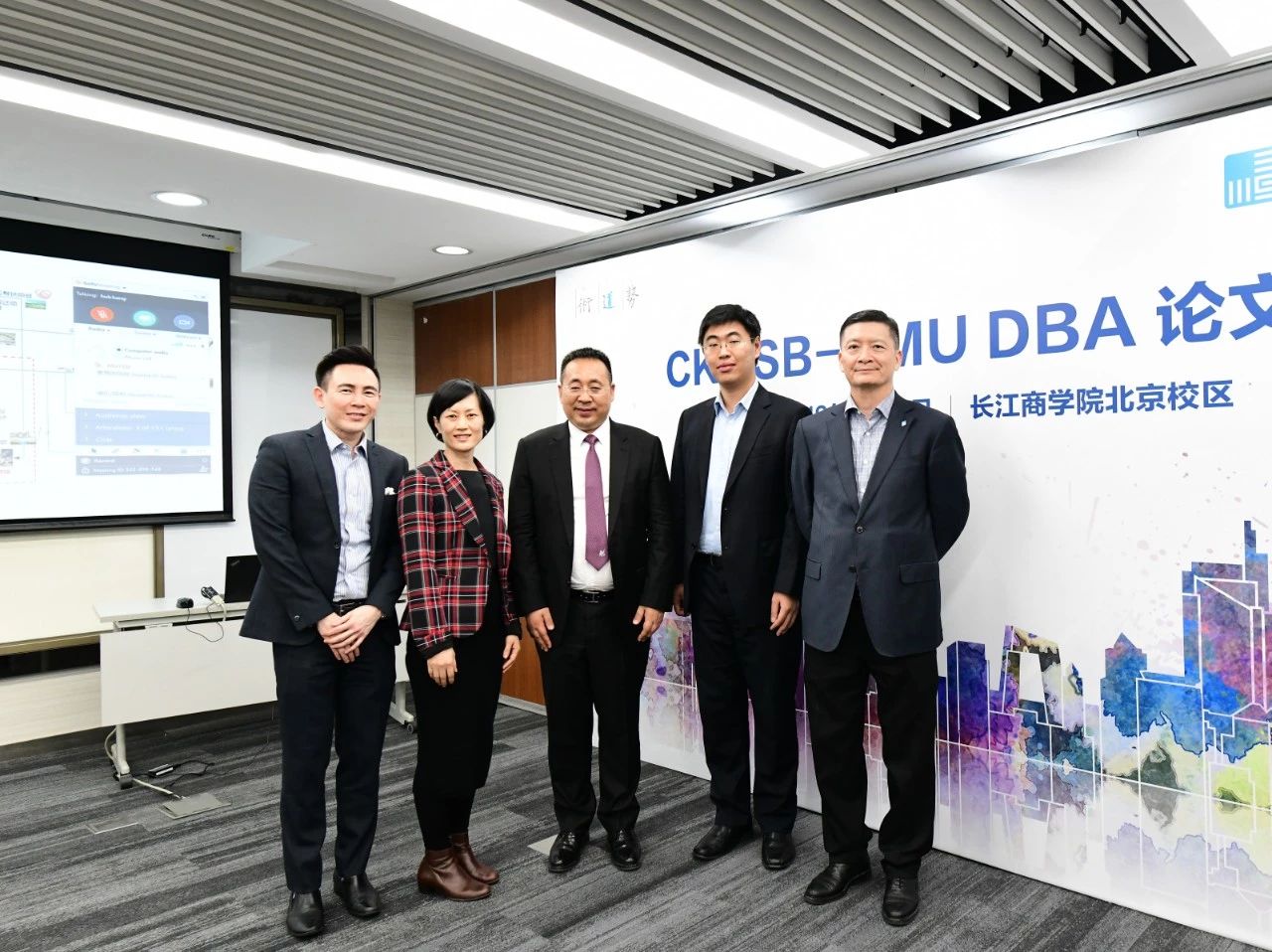
本次論文答辯,來自長江商學院和新加坡管理大學的教授們共同見證了池宇峰和雷文勇兩位同學的學術成果。
 ??
??
思想之舞
池宇峰:創意企業中共享式領導與團隊創新的關系研究 ?
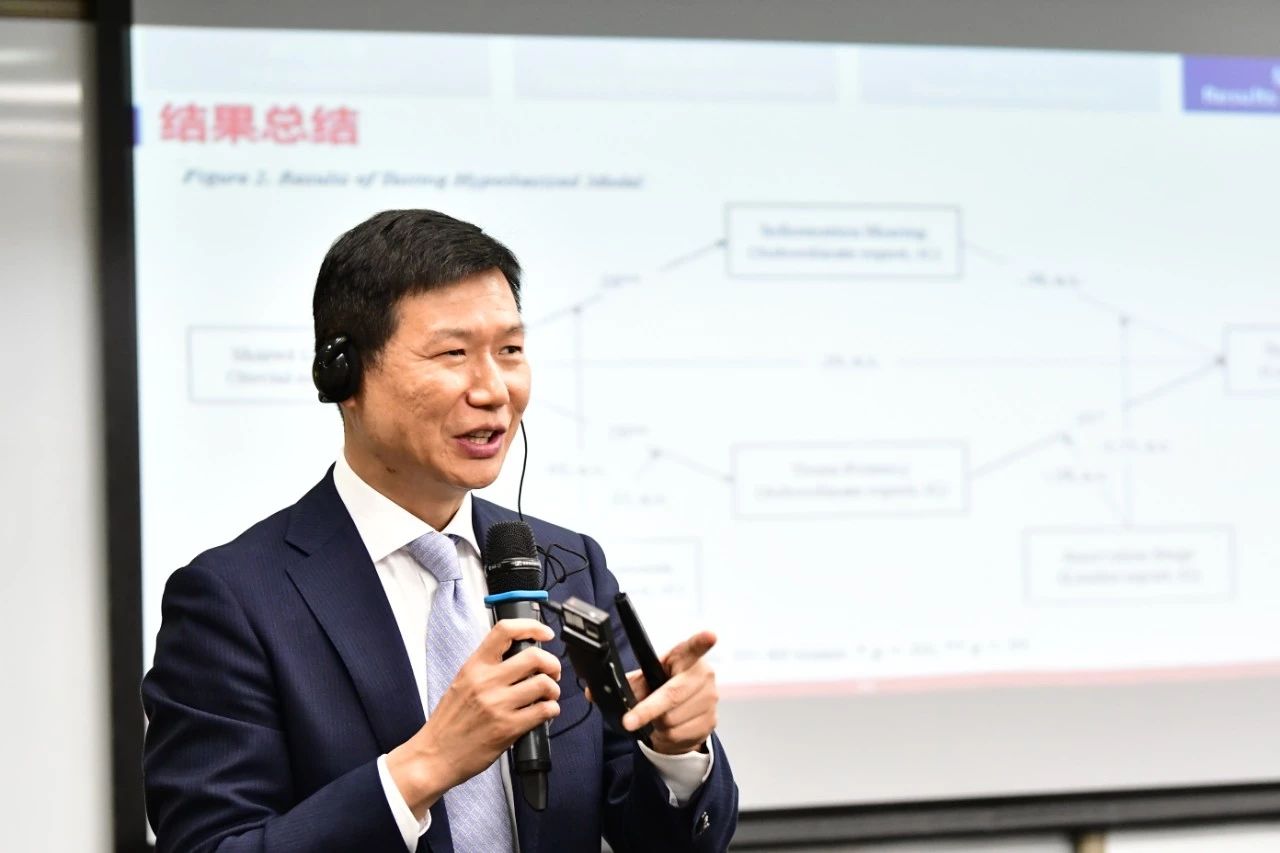
池宇峰在答辯中
▇ 論文摘要:
盡管團隊創新對組織來說非常重要,但是促進團隊創新的條件并沒有得到很好的研究。在這篇論文中,我提出了一個理論模型,團隊信息分享與團隊效能感(team potency)在共享式領導對團隊創新的影響中發揮了中介作用。我認為,共享式領導不僅增強了團隊信息分享和團隊效能感,而且還培養了創新活動中的認知優勢和動機優勢。此外,領導成員交換(leader-member exchange (LMX))差異對共享式領導與團隊創新之間的關系具有調節效應,而創意周期對共享式領導與團隊效能感之間的關系具有調節效應。領導成員交換差異抑制了共享式領導對團隊信息分享和團隊效能感的積極影響,因為領導成員交換差異大會增加了團隊中的不公平。團隊信息分享和團隊效能感對團隊創新的積極影響在創意實施階段比在創意生成階段更強。
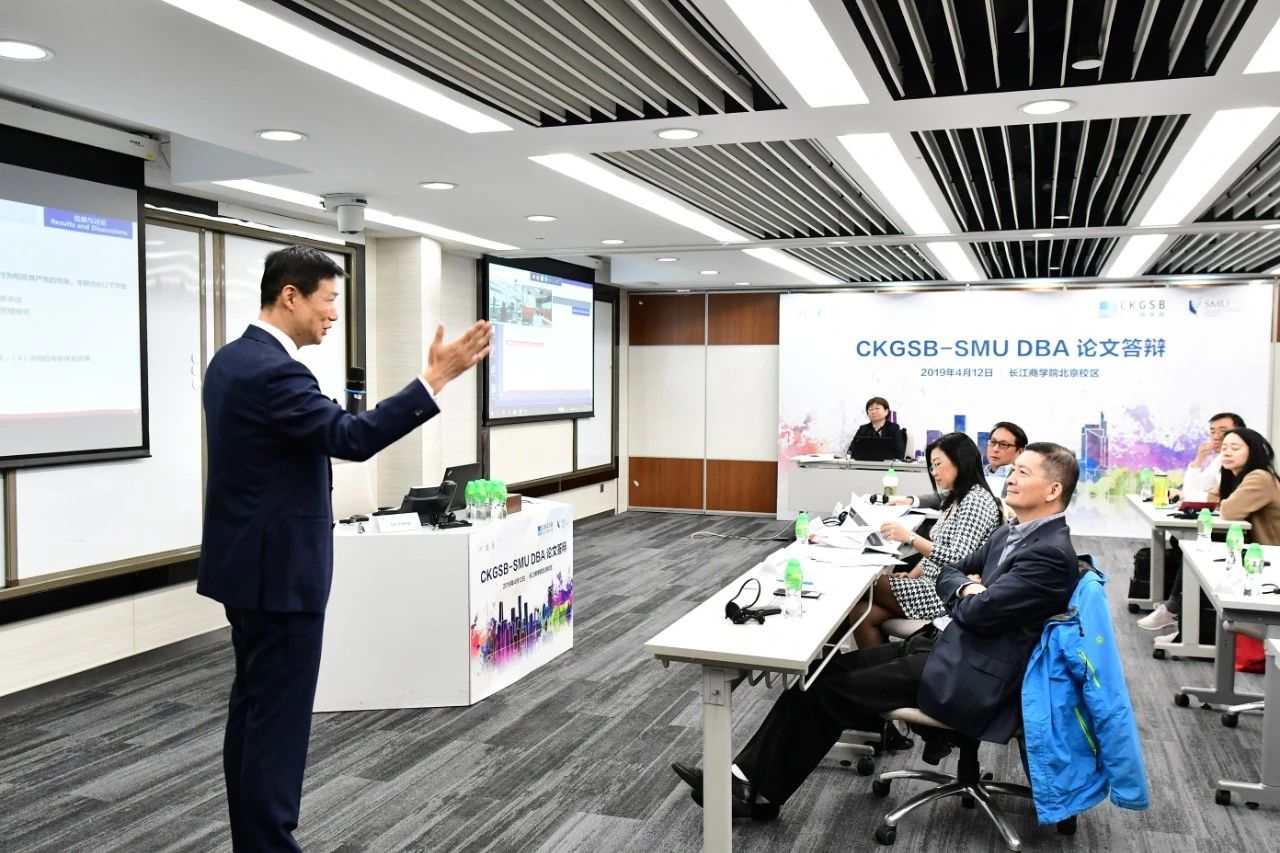
答辯現場
我使用了兩階段(two-wave)、縱向、多方法和多源研究設計來檢驗我的假設。研究結果表明,團隊效能感對共享式領導和團隊創新之間的關系具有中介效應。相比于創意生成階段,共享式領導通過團隊效能感對團隊創新的間接效應在創意實施階段更強。我的研究通過確定共享式領導如何影響團隊創新以及何時影響團隊創新,為共享式領導的研究做出了貢獻。

池宇峰在DBA課堂
▇ ABSTRACT:
Despite the clear importance of team innovation for organizations, the conditions that foster innovation are not completely understood. In this thesis, I propose a theoretical model in which the effect of shared leadership on team innovations is mediated by team information sharing and team potency. I argue that shared leadership not only enhances a team’s information sharing and team potency, but also nurtures cognitive and motivational advantages in innovative activities.In addition,the relationship of shared leadership and team innovation is moderated by leader-member exchange (LMX) differentiation and the relationship of shared leadership and team potency by innovation stage. LMX differentiation restrains the positive effect of shared leadership on information sharing and team potency because high LMX differentiation increases injustice in teams.The positive effect of information sharing and team potency on team innovation is stronger in the idea implementation stage, than in the idea generation stage.
I utilized a two-wave longitudinal, multimethod and multisource research design to examine my hypotheses. I find that team potency mediates the relationship between shared leadership and team innovation.The indirect effect of shared leadership on team innovation through team potency is stronger in the idea implementation stage than in the idea generation stage.My research contributes to shared leadership literature by identifying how and when shared leadership influence team innovation.
雷文勇:基于社會網絡分析的極度貧困治理研究 ?

雷文勇在答辯中
▇ 論文摘要:
當前,極度貧困問題面臨來自經濟放緩和環境倒逼的雙重壓力。極度貧困的微觀復雜性制約了宏觀貧困治理戰略實施績效。本文正是在此背景下,研究企業如何運用網絡有效地實現商業扶貧這一科學問題。
研究主體分為四個部分。首先通過文獻綜述梳理了貧困的概念認知和反貧困的戰略演化,分析商業機制在貧困治理中的作用;其次,通過對極度貧困概念的定位,分析極度貧困治理關系的外延和內涵,將極度貧困治理分析與網絡分析關聯起來;再次,基于社會網絡嵌入理論和利益相關者理論,梳理極度貧困治理的利益相關者,構建極度貧困治理產業網絡和社會網絡的原型;最后,運用喜德縣極度貧困治理的案例分析,提煉極度貧困治理產業網絡和社會網絡雙重嵌入的核心維度,分析網絡嵌入演化的障礙,并結合企業實踐探索突破障礙的方式方法。
從理論研究和國內外的實踐來看,貧困具有時間維度和空間維度的雙重認知路徑。極度貧困正是表現為貧困群體在時間和空間的雙重維度上因生存能力和發展機會被剝奪而無法在可持續的基礎上滿足基本消費需求的狀態。運用商業機制解決極度貧困問題是一種復合的治理框架體系,商業行為可以貫穿經濟增長、專項開發和社會兜底三大治理戰略,能夠作為最深層次極度貧困治理的有效機制。
運用商業機制解決貧困問題,其實質是一種在一定社會經濟環境背景下,創造各種可能的條件以實現貧困人群的“創業”活動。貧困治理通過協調利益分配來調整貧困人群“創業”資源生產關系使之適應貧困人群可獲取資源生產力發展的要求。貧困人群“創業”資源生產關系是人類在貧困治理生產過程中所結成的相互關系,包括資源所有制關系、貧困治理活動中人與人的關系以及貧困治理成果的分配關系。從歷史演化的視角,極度貧困治理的生產關系三個維度的變化可以被總結為外延的主體結構關系和內涵的資源、資產、資本關系。
各個利益主體間圍繞投入的合作要素,形成了基于資源、資產、資本的多重關系。圍繞資本形成的投資收益分配關系是極度貧困治理主體關系的高級形態。極度貧困治理中的核心利益相關者,在貧困治理活動中均依托所投入的差異化資源,扮演了“經濟人”和“社會人”的雙重角色,因而具有經濟、社會乃至環境等多個層面的利益訴求。社會網絡與產業網絡的雙重嵌入,是貧困治理發展的內在要求。

導師問答
喜德縣案例中所反映出的貧困戶、企業和政府三個核心貧困治理主體參與網絡的方式分析,幫助研究提煉出了極度貧困治理產業網絡和社會網絡嵌入的信任、價值和權利三個重要測度維度,并由此搭建起貧困治理網絡認知的三維立方體模型。利用這一模型可以綜合定位極度貧困地區的網絡治理現狀和需要突破的障礙。
基于治理框架和雙重嵌入的分析結論,研究提出如下制度創新建議:
(1)圍繞貧困戶為中心,通過商業行為作為中間機制,實現他們突破原有社會網絡融入主流社會網絡的過程;
(2)構建利益相關者參與極度貧困治理模式的利益表達、協調和制度保障機制;
(3)強化基礎性產業龍頭企業的地位和商業機制在極度貧困治理體系的作用。

雷文勇在DBA課堂
▇ ABSTRACT:
In The "Mitigate Extreme Poverty through Dual-Network Embedding Strategy", Wenyong LEI goes inside some of China's most remote and poorest villages and tries to reveal the determinants, correlates and strategies to address the gap of existing poverty governance system and the complexity and diversity of poor population. He offers in-depth insights into what the poor people think about poverty with two major indicators, identifies evidence on the feasibility of duel-network embedding strategy to reduce poverty, and explains how diverse groups hit by extreme poverty could develop entrepreneurship relationship with diversified market and available social economic resources. Drawing on examples that take place in Xide County, a remote and poor village in Sichuan Province, Wenyong offers specific strategies that trigger trust, spark value, restore right, and drive positive change.
The rigorous analysis and consultation used in developing this dissertation found that commercial mechanism in combination with social assistance framework enable those deprived of rights for basic living and development to build up entrepreneurship by inviting and inspiring them to get involved in diversified market with promised investment through elements of cooperation among resources, assets and capital.
Wenyong unearths the intertwined interdependent relationship between social and industry networks, which play a key role to mitigate extreme poverty so that the poor people could obtain knowledge, capability and resources through social assistance framework while practice industry operation and management in a diversified market. He identifies three key measurement deliverables as component of a three-dimensional model to evaluate to what extent this dual-network embedding strategy has reshaped the expectation and practice of poor villagers in the field of trust, value and right. Same model can also be adopted to analyze the ongoing situation.
 ?
?
本次答辯已圓滿結束,但兩位同學探索學術與實踐的腳步卻未曾停歇。相信在未來,更多長江企業家學者們會碰撞出管理學知識火花,并形成一股合力,將自己在學習過程中產生的、源自實踐的、原創中國管理智慧發揚光大,推動全球管理學界的分享與雙向交流。


